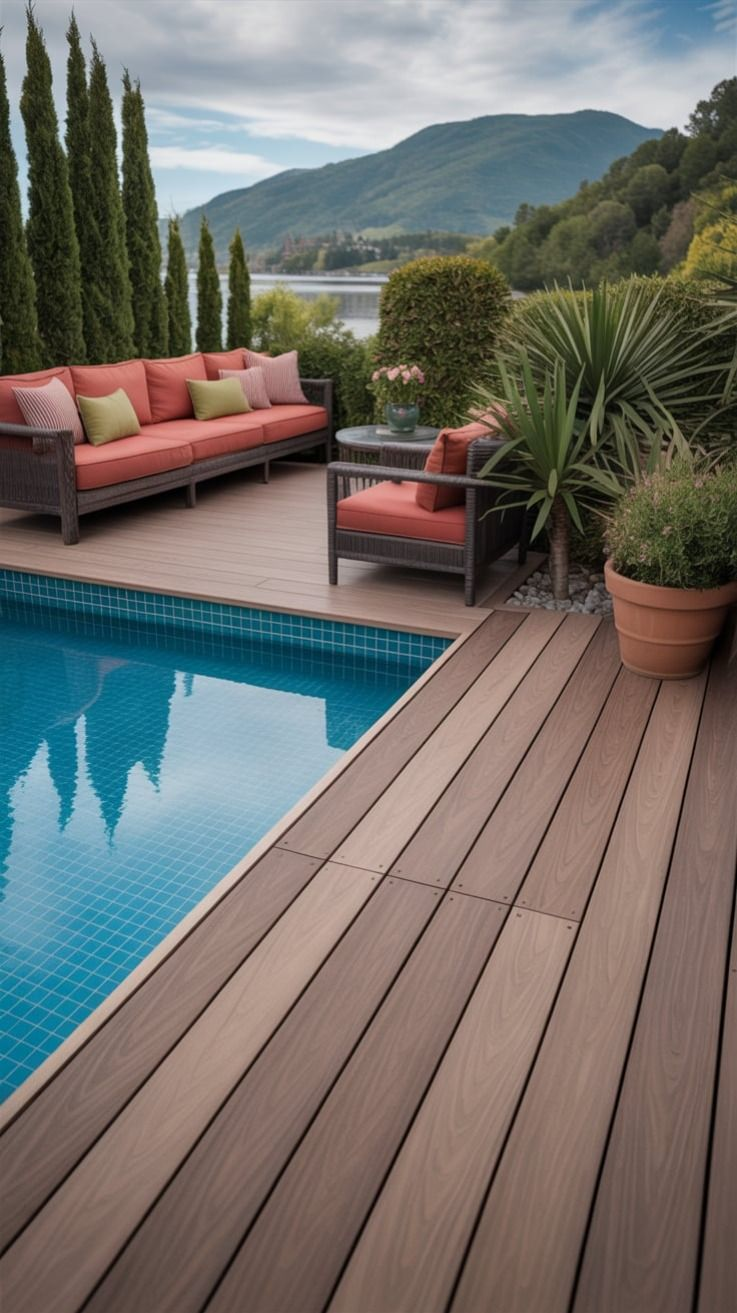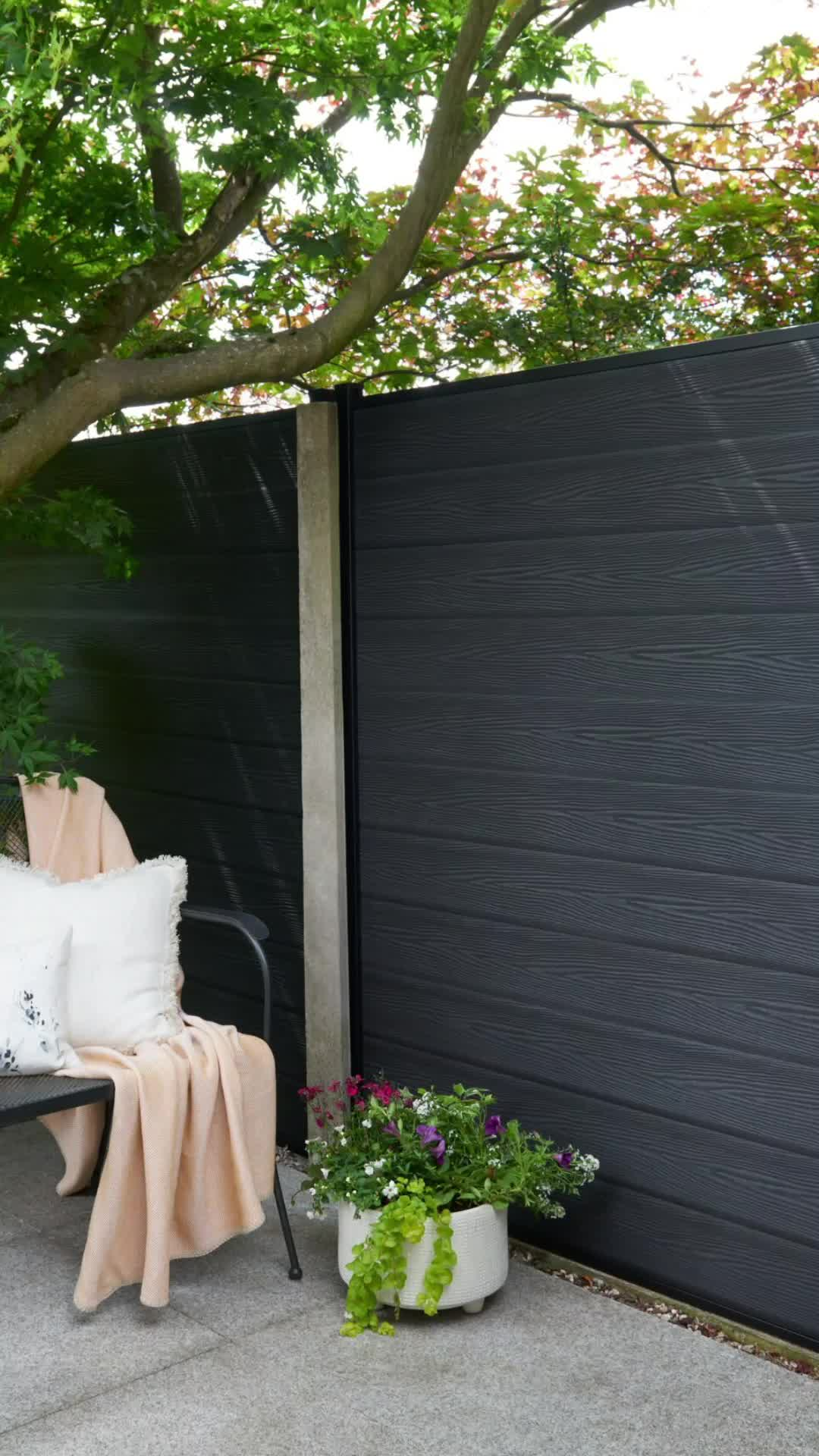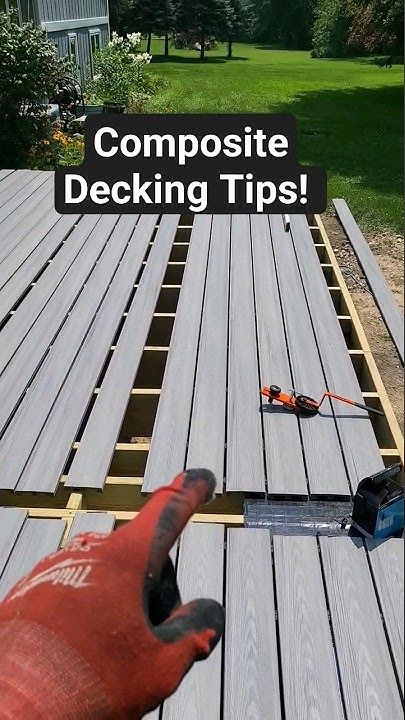
The composite decking market is a landscape of both remarkable innovation and persistent consumer confusion. Beneath the surface of vibrant colors and textured finishes lies a complex interplay of material science, manufacturing precision, and long-term performance claims. For architects, builders, and discerning homeowners, the selection process transcends mere aesthetics; it is a critical decision that balances upfront investment against decades of maintenance, environmental exposure, and daily use. The core challenge is no longer a simple choice between wood and synthetic, but navigating a sophisticated array of composite formulations—each promising durability, yet varying dramatically in density, composition, and structural integrity.
A Tale of Two Decks: The Narrative of Long-Term Satisfaction
Consider a coastal property where two decks were installed simultaneously five years ago. One, constructed from a budget-grade, hollow-core composite, now shows noticeable fading, a slight sponginess underfoot in high-traffic areas, and a surface that has become slick with seasonal algae. Just meters away, another deck, built with a premium, capped polymer board, retains its rich color, feels solid and unwavering, and its embossed grain texture has naturally resisted moisture and mildew. This divergence is not accidental; it is the direct result of material selection. The emotional payoff of a deck is not in its day-one installation, but in the years of hassle-free gatherings, quiet mornings with coffee, and the absence of annual staining, sanding, or splinter worries. The right material choice silently supports these moments, while the wrong one becomes a persistent, nagging concern.
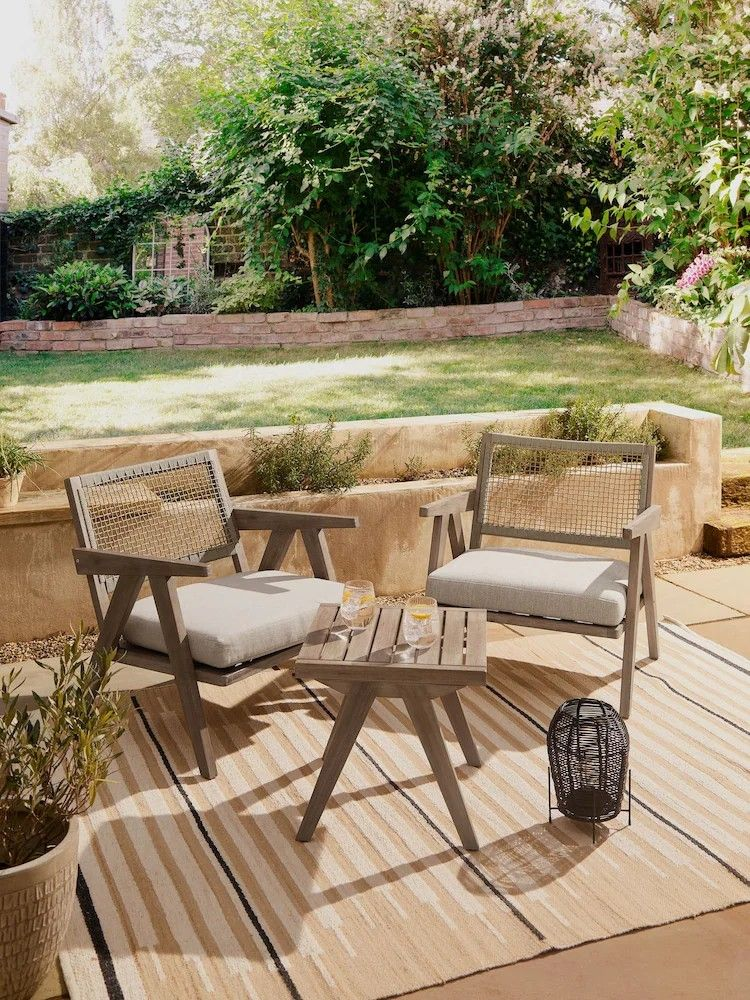
The Core Anatomy: Deconstructing Quality in Composite Boards
To select wisely, one must understand the anatomy of a composite deck board. At its heart lies the blend: typically a mixture of reclaimed wood fibers and plastic polymers (HDPE or PVC). The critical differentiator is the cap—a full, co-extruded polymer shell that encases the core. A thick, high-quality cap provides UV resistance for fade protection, stain resistance, and a durable barrier against moisture ingress, which prevents swelling, mold, and rot. Board profiles—whether solid, hollow, or multi-channel—affect weight, stiffness, and thermal expansion. Density, measured in specific gravity, is a key indicator of durability; a higher density often correlates with greater resistance to impact and deflection. Scrutinizing the warranty—not just its length, but the specific coverage for fading, staining, and structural integrity—offers a transparent window into the manufacturer’s confidence in these layered components.
Beyond the Board: Integration with Future-Forward Living
The evolution of composite decking is increasingly intertwined with sustainable design and smart home ecosystems. Future trends point toward materials with even higher percentages of post-consumer recycled content, moving beyond a reduced environmental footprint to a genuinely circular model. Technological aesthetics are advancing with through-color technology, where hue runs the entire depth of the cap to minimize scratch visibility, and hyper-realistic embossing that replicates not just the look, but the tactile feel of rare hardwoods. Furthermore, decking systems are being conceived as integrated platforms for modular lighting, concealed cable management for outdoor entertainment, and even passive cooling properties. The selection today is, therefore, a vote for a material that can gracefully adapt to tomorrow’s outdoor living standards, where the deck functions as a seamless, durable, and intelligent extension of the interior living space.
Choosing composite decking material is a multifaceted decision that demands a strategic approach. It begins with acknowledging the industry’s technical complexities and moves beyond superficial comparisons. A compelling narrative of long-term user satisfaction underscores that the true value is realized through enduring performance and minimal maintenance. A forensic analysis of the product’s construction—its capping system, core density, and profile—provides the objective criteria necessary to separate marketing claims from tangible quality. Finally, aligning this choice with forward-looking considerations of sustainability and technological integration ensures the deck remains a valuable and relevant asset. Ultimately, the optimal selection achieves a precise equilibrium: a material that delivers aesthetic warmth, structural fortitude, and the profound luxury of forgotten upkeep.