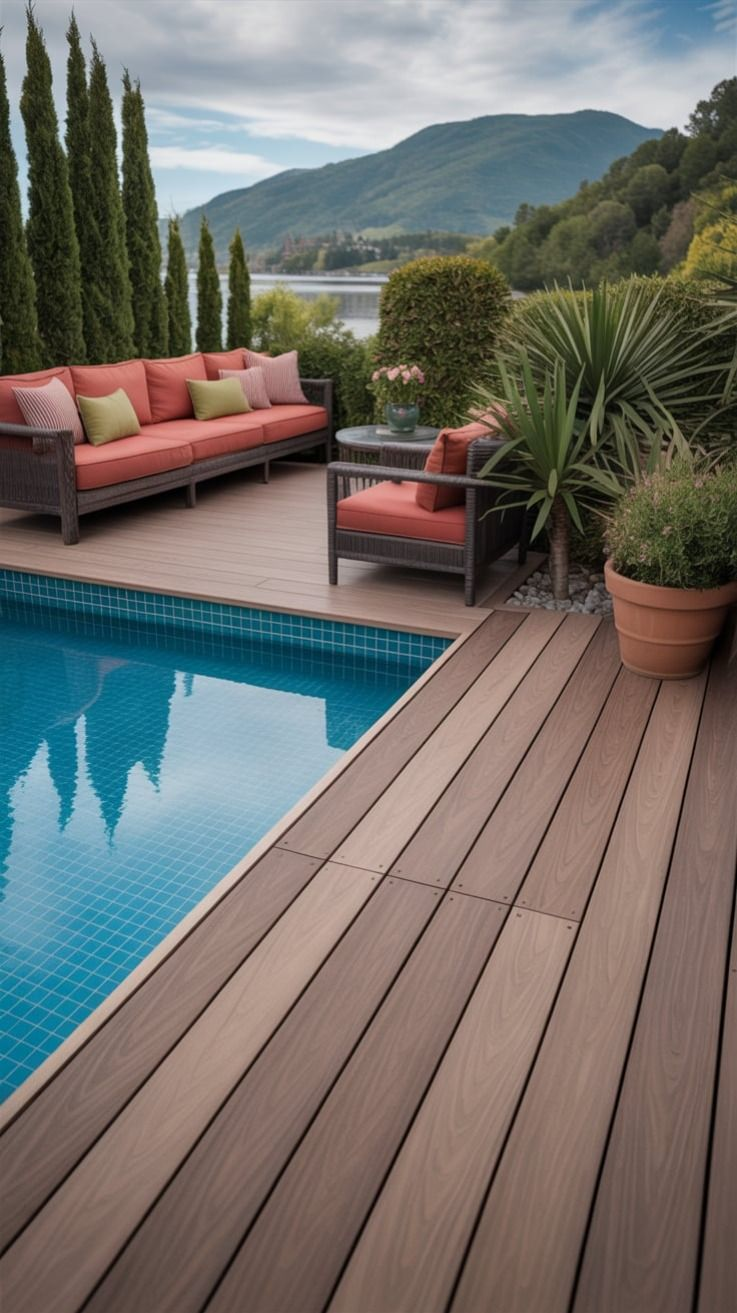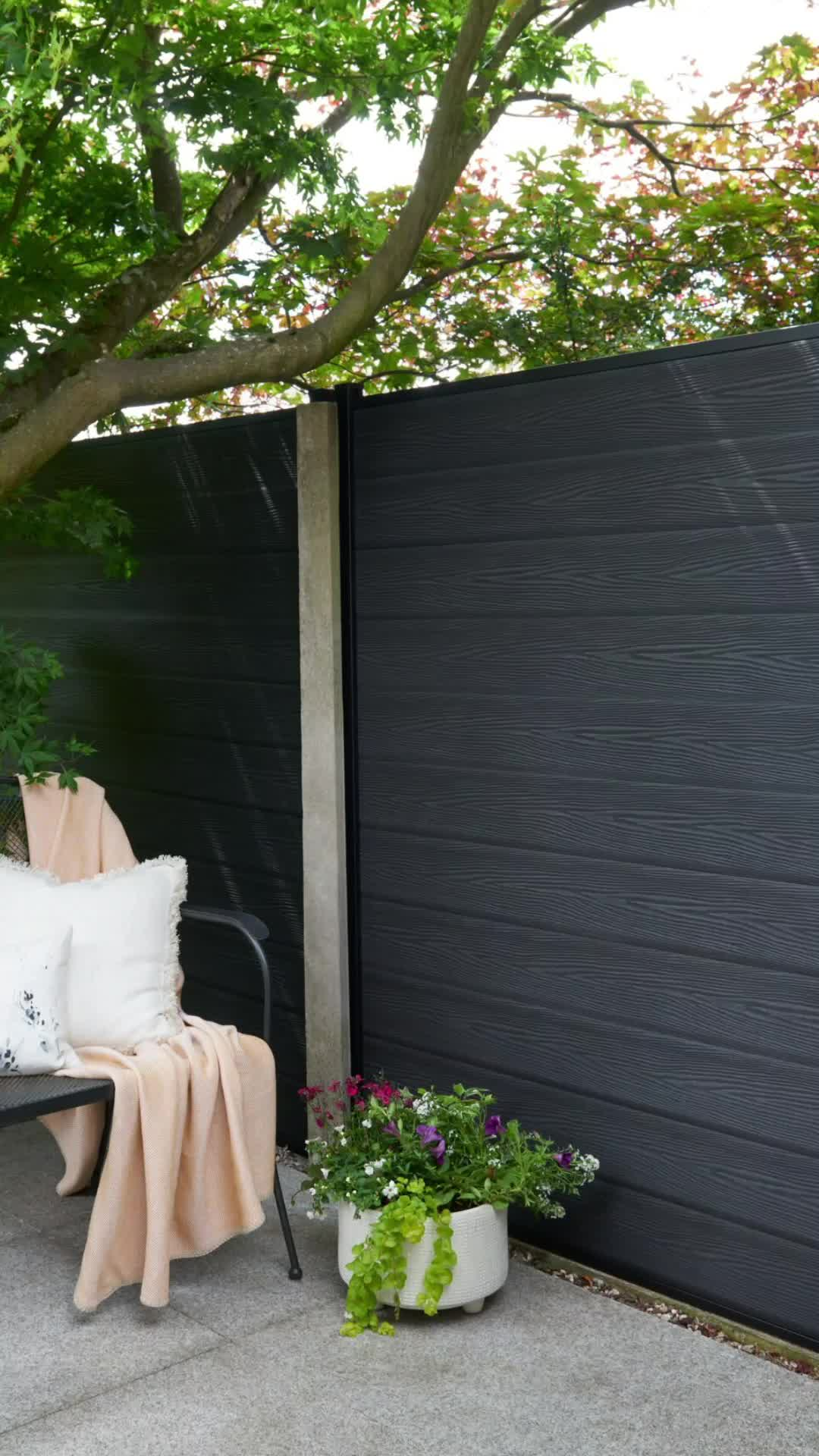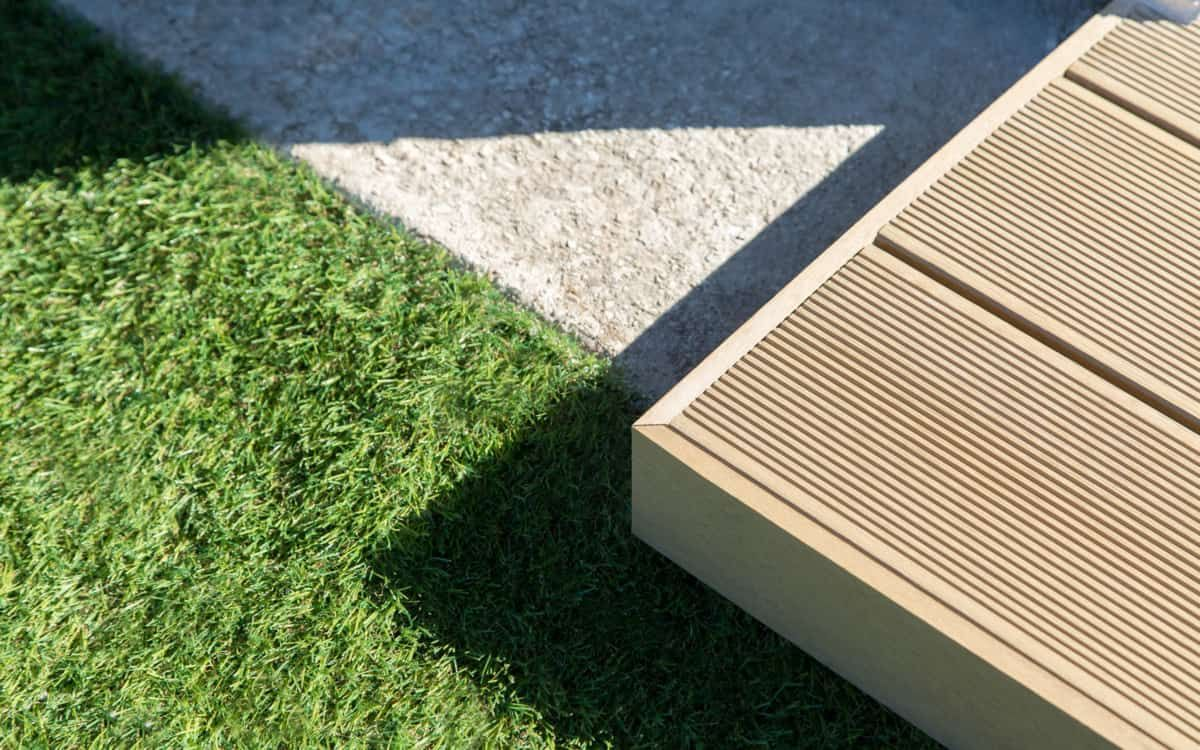
The outdoor living industry stands at a confluence of environmental responsibility and material science. For decades, the choice between natural wood’s aesthetic appeal and its demanding maintenance, or composite’s durability and its early-generation limitations, presented a persistent dilemma. The evolution of recycled plastic decking, particularly high-performance polypropylene and polyethylene blends, has transcended its niche status, offering a robust solution that addresses core pain points: long-term durability, minimal upkeep, and a substantial reduction in landfill waste. This material represents not merely an alternative, but a sophisticated engineered system requiring precise installation to unlock its full potential.
From Weathered Woes to Lasting Sanctuary
Consider a homeowner, Sarah, who inherited a sprawling but decaying cedar deck. Her weekends were consumed by sanding, staining, and repairing splintered boards—a cycle of labor that detracted from the deck’s purpose as a place of relaxation. The decision to replace it with recycled plastic decking was driven by a desire for permanence and peace of mind. The installation process, while demanding precision, became the final chapter of that old story. As the last board was fastened, she was left not with a project list, but with a platform impervious to the elements, its color woven through each plank, promising years of use without the specter of annual refinishing. The emotional payoff was a reclaimed space, and time itself.
The Anatomy of a Sustainable Platform
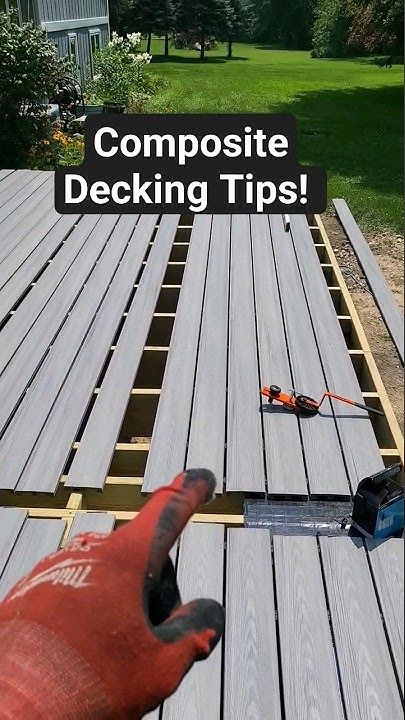
Installing recycled plastic decking is an exercise in understanding its unique material properties. Unlike wood, it expands and contracts primarily with temperature, not humidity, requiring specific gapping protocols. The core structure begins with a meticulously leveled and robust substructure. Galvanized or stainless steel joists are paramount, spaced typically 12 to 16 inches on-center to compensate for the material’s slightly higher flexural modulus. A critical, non-negotiable step is ensuring positive drainage and at least 1/8-inch clearance between the joist and the ground for airflow. The decking boards themselves, extruded from post-consumer and industrial plastics, often feature a rigid, hollow-core design for strength and weight reduction. Installation employs hidden fastener systems—clips that engage into grooves along the board edges—which not only provide a clean, fastener-free surface but also allow for controlled thermal movement. Each cut must be clean, using fine-toothed blades, and every seam must respect the manufacturer’s specified expansion gap, often using provided spacers.
Precision Protocol for Enduring Performance
The installation sequence is a protocol that guarantees performance. First, confirm all materials are acclimated on-site for 48 hours in conditions similar to final exposure. Begin by establishing a perfectly square and level starter line. Install the hidden fastener clips onto the joists according to spacing guidelines. Engage the first board’s groove onto the clips, ensuring the desired overhang. For subsequent rows, the tongue of the new board aligns with the groove of the previous one before being tapped into place on its own set of clips, maintaining uniform gaps. At butt joints, ensure they are centered over a joist with a consistent gap between board ends. Perimeter boards are face-fastened using color-matched screws, pre-drilled to prevent splitting. Throughout the process, avoid dragging boards, which can scuff the surface, and never overtighten fasteners, which can induce stress and inhibit natural movement.
The Forged Future of Outdoor Living
This installation methodology points toward a broader future in construction—one where products are designed as complete, closed-loop systems. Recycled plastic decking is a precursor to a built environment where every component is analyzed for its lifecycle impact and engineered for disassembly or recyclability at end-of-life. The precision required in its installation mirrors the precision of its material formulation, heralding an era where “maintenance-free” evolves into “legacy-building.” The aesthetic is one of intentional, technological harmony with nature, where surfaces are chosen for their enduring performance and ethical provenance, transforming our living spaces into testaments to both intelligent design and environmental stewardship.