The modern fencing industry is defined by a relentless pursuit of durability without aesthetic compromise. A core technological pain point persists: the inherent vulnerability of wooden fence posts to ground-level rot, insect infestation, and weathering. This structural weakness often undermines the longevity of an entire fence system, leading to premature failure and costly replacements. While composite materials have revolutionized decking and fencing panels, the critical support structure—the post—has demanded a more sophisticated solution than mere material substitution.
The Silent Guardian in a Suburban Saga
Consider a newly installed cedar fence, its warm hues and clean lines defining a family’s backyard sanctuary. Within a few years, however, the homeowner notices a slight lean, a softness at the base of several posts where moisture perpetually lingers. The dilemma is emotional and financial: replace the structurally sound panels to access the failing posts, or undertake a disruptive, invasive repair. This scenario, repeated in countless neighborhoods, is where the composite wood fence post cover transitions from an accessory to a strategic asset. It acts as a sacrificial shield, a sleeve of engineered polymer and wood fiber that encases the vulnerable section of a traditional 4×4 wooden post. The installation is a story of preservation, not demolition—sliding the durable cover over the existing or new wood post, instantly armoring it against decay while presenting a flawless, low-maintenance exterior that matches the fence panels.
Deconstructing the Composite Armor: A Layered Approach to Permanence
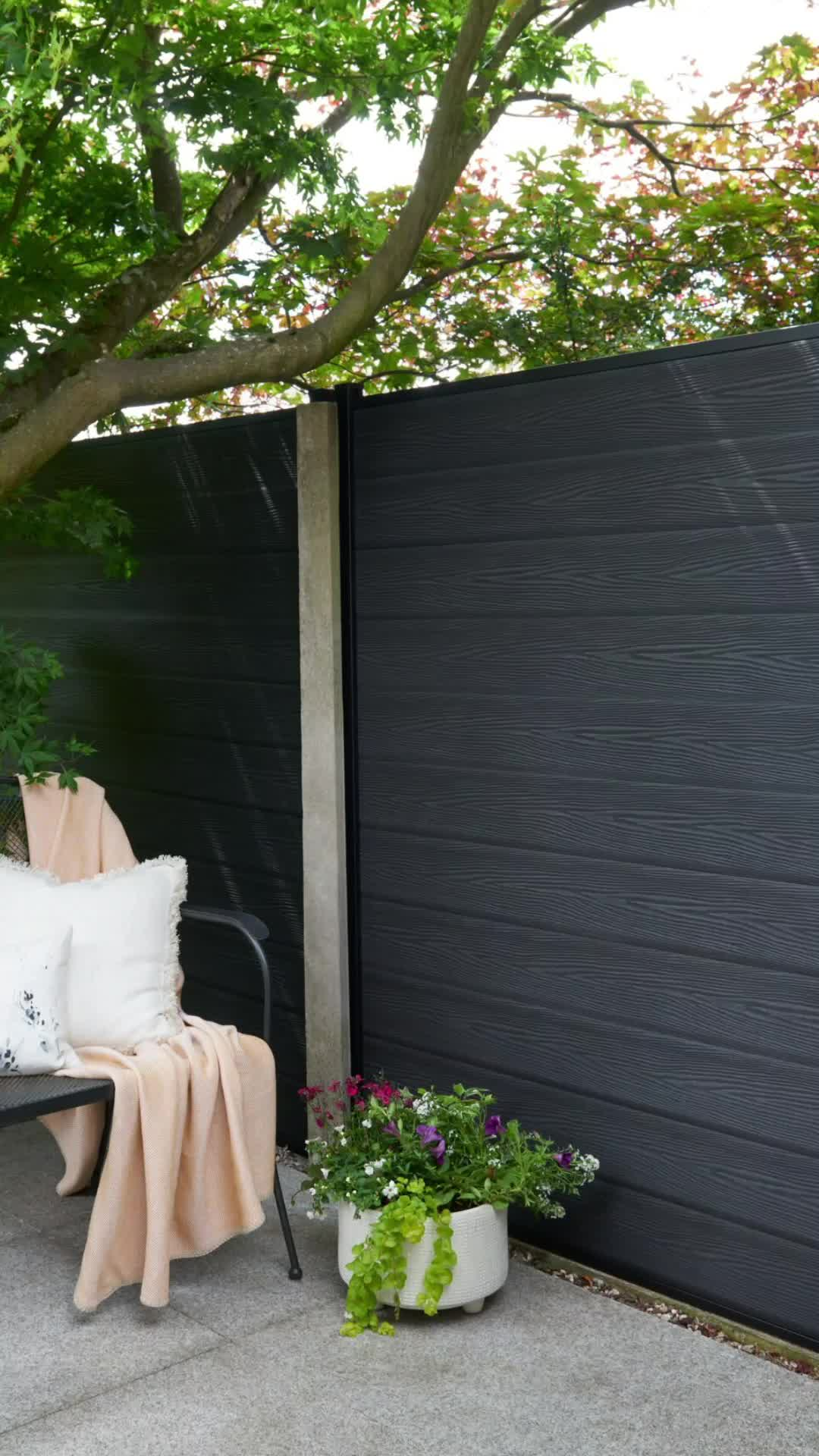
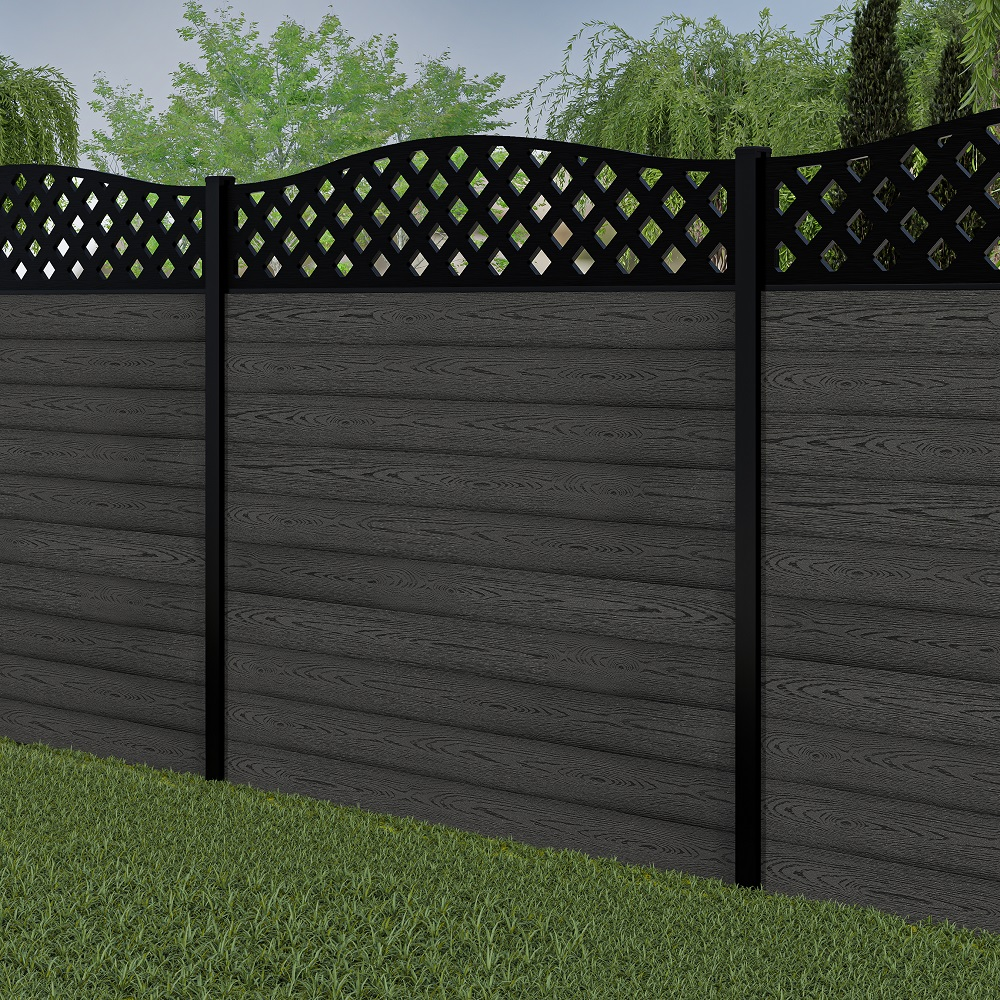
To understand its value, one must dissect the product like a precision-engineered component. A high-quality composite post cover is not a simple hollow box. Its core value lies in a multi-layered design philosophy. The exterior surface mimics the texture and color variance of natural wood through advanced capstock technology, providing UV resistance and stain protection. Beneath this lies the composite substrate—a dense amalgam of recycled plastics and wood fibers—engineered for exceptional dimensional stability, imperviousness to moisture, and resistance to insects. Crucially, the interior cavity is precisely calibrated to fit snugly over a standard wooden post, often incorporating ventilation channels. These channels are a critical, often overlooked feature, designed to mitigate condensation and allow airflow around the encapsulated wood, addressing the moisture trap that dooms many well-intentioned repairs.
From Remedial Fix to Future-Forward Fencing System
The evolution of this product points toward a future of integrated, intelligent fencing systems. The post cover is no longer just a remedial fix but a foundational element in a holistic design approach. Future trends envision these components with embedded smart features, such as conduit channels for low-voltage landscape lighting or security wiring, transforming a passive boundary into an active element of home automation. Material science will further refine their profile, moving beyond wood replication to offer new aesthetic forms and even greater environmental credentials through advanced recycling streams. The vision is a fence system where every component, from panel to post, is designed for a lifecycle measured in decades, not years, aligning with a sustainable, low-maintenance lifestyle ethos.
Composite wood fence post covers represent a pivotal convergence of pragmatic problem-solving and material innovation. They directly address the most critical failure point in traditional fencing through a non-invasive, highly durable solution. By encapsulating and protecting the structural wood post, they extend the lifespan of the entire fence exponentially while maintaining visual cohesion. Their value is analyzed not merely as a cover, but as a performance-oriented sleeve that manages moisture, resists biological degradation, and provides a maintenance-free exterior. Ultimately, mastering their use is an exercise in foresight—a relatively modest investment that safeguards the significant capital and aesthetic value of a property’s perimeter, ensuring that the fence remains a defining feature of landscape architecture for generations.