The outdoor living industry thrives on transforming underutilized spaces into personal sanctuaries. Yet, a persistent technological pain point undermines this ambition: water infiltration. For deck floors, constant exposure to moisture is not merely an inconvenience; it is the primary agent of structural decay, mold proliferation, and surface degradation. Traditional sealing methods often offer temporary respite, failing at seams, fasteners, and under dynamic loads, leading to costly repairs and shortened lifespans. The core challenge lies not in applying a coating, but in creating a continuous, resilient, and integrated barrier system.
A Narrative of Preservation: From Soggy Mornings to Lasting Gatherings
Consider the experience of a homeowner who invested in a beautiful hardwood deck. For the first season, it was the pride of their home. But after a winter of rain and snow, they began to notice dark, damp spots each morning, a musty odor after showers, and a worrying softness near the railings. Their vibrant entertainment space had become a source of anxiety. The solution wasn’t a simple can of sealant. It involved a systematic approach: first, a thorough assessment and repair of the substrate; then, the meticulous application of a fluid-applied membrane, seamlessly bridging the gaps between boards and enveloping each fastener; finally, the installation of proper drainage channels. The result was transformative. The deck no longer held water, its beauty was preserved, and the space regained its role as a carefree extension of the home, resilient against the elements.
The Evolution of the Barrier: From Surface Coatings to Integrated Systems
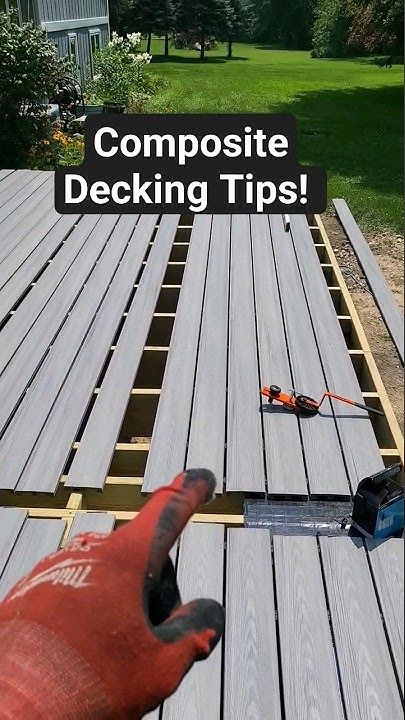
The future of deck waterproofing lies in the transition from reactive maintenance to proactive, integrated design. We are moving beyond topical treatments toward systems engineered at the material level. This includes the rise of composite decking with inherent hydrophobic properties, the development of smart under-deck drainage systems that manage water flow invisibly, and the adoption of thermoplastic polyolefin (TPO) or polyurethane membranes that form a monolithic, elastomeric shield. Furthermore, the integration of sensor technology for moisture monitoring represents a frontier, allowing for predictive maintenance. The vision is a deck that is not just “water-resistant” but intelligently weather-managed, where waterproofing is a fundamental, durable characteristic of the structure, not a vulnerable afterthought.
Deconstructing the Shield: Anatomy of a Waterproof Deck System
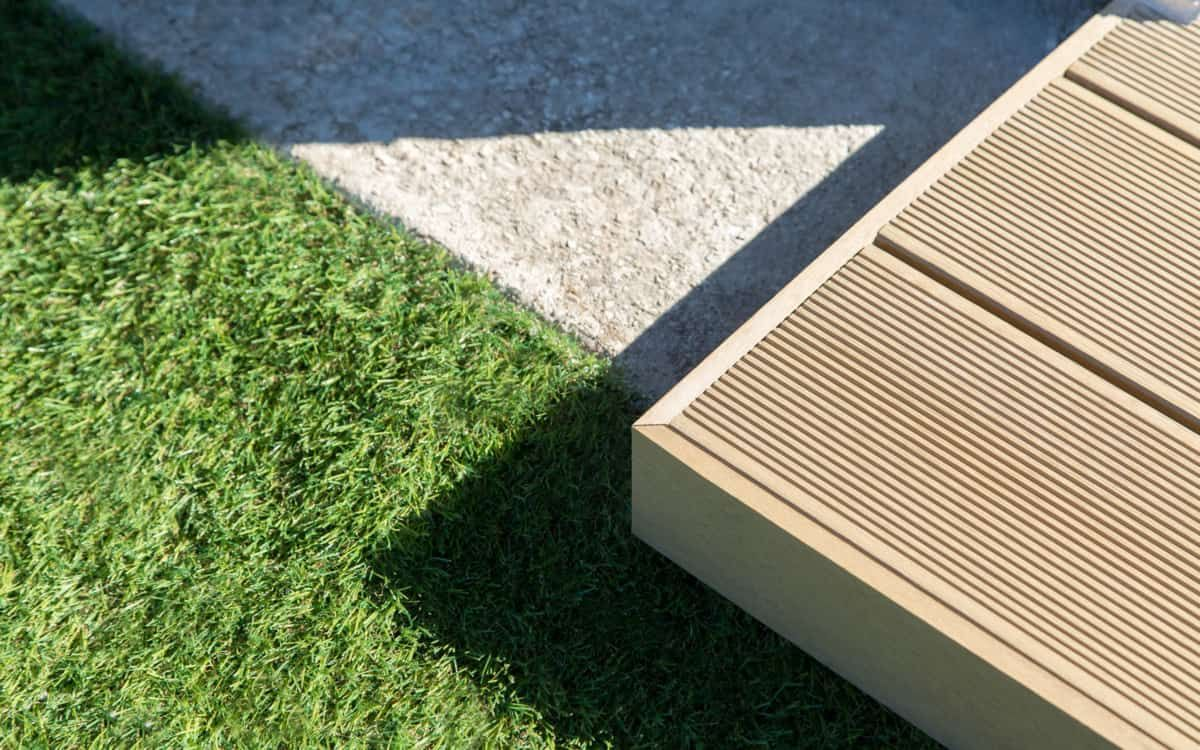
An effective waterproof deck is a meticulously crafted assembly. Its core value is protection, achieved through layered defense. The first layer is the **structural substrate**, typically a sound, sloped plywood or concrete surface, which must be clean, dry, and free of voids. The **critical barrier** is the waterproofing membrane itself—be it a liquid-applied elastomer that cures into a seamless jacket, or a sheet membrane meticulously welded at seams. This layer’s adhesion, flexibility, and puncture resistance are paramount. The **protection layer**, often a drainage mat or filter fabric, shields the membrane from abrasion and channels incidental water. Finally, the **wear surface**—the deck tiles, pavers, or final coating—must be installed with attention to maintaining the integrity of the layers beneath. Fasteners are either eliminated through floating floor systems or meticulously sealed. Each component is interdependent; the system’s strength is defined by its weakest interface.